
A Vietnamese entrepreneur may own a company in Vietnam, property in Dubai and a United States green card. But does obtaining residence rights in another country mean the family’s entire income must be reported there?
When exploring immigration programs, most families focus on costs, processing times and benefits after approval. But an important question is often overlooked: how will the family’s tax obligations change after obtaining residence rights?
For families with businesses and assets in multiple countries, this can significantly influence long-term financial planning.
1. United States: A green card may bring worldwide income reporting obligations

The United States has specific tax rules for green card holders. According to the IRS, United States permanent residents are generally considered United States tax residents, even if they spend most of their time living abroad.
This means income from a company in Vietnam, property rental income, dividends or overseas investment gains may be subject to reporting in the United States.
However, reporting does not mean paying tax twice on all income. Mechanisms such as foreign tax credits may help reduce tax liabilities if the conditions are met.
In addition to income, people with United States tax obligations may also have to report foreign financial accounts under rules such as FBAR and FATCA.
An often-overlooked point: if someone has held a green card for at least 8 of the relevant 15 tax years, relinquishing permanent resident status may trigger reporting obligations and exit tax rules, depending on asset values and other conditions.
For entrepreneurs with international assets, tax assessment should therefore begin before obtaining a green card, not afterwards.
2. Europe: Holding a Golden Visa does not necessarily make you a tax resident

Unlike in the United States, holding a residence card in many European countries does not automatically make someone a tax resident.
In Portugal, individuals are generally considered tax residents when they are present for more than 183 days within the statutory period or have a home indicating an intention to reside habitually. Greece also considers physical presence, place of residence and the centre of personal and economic interests.
Malta has its own framework, under which certain individuals who are resident but not domiciled in Malta may be taxed based on the source of their income and foreign income remitted to Malta, subject to conditions.
Thus, two families holding European residence cards may have very different tax obligations if one continues to live in Vietnam while the other has relocated fully to Europe.
If they later move away, they also need to consider final reporting obligations, outstanding taxes and exit tax rules where the country concerned applies them.
3. Dubai: No general personal income tax does not mean exemption from all tax obligations
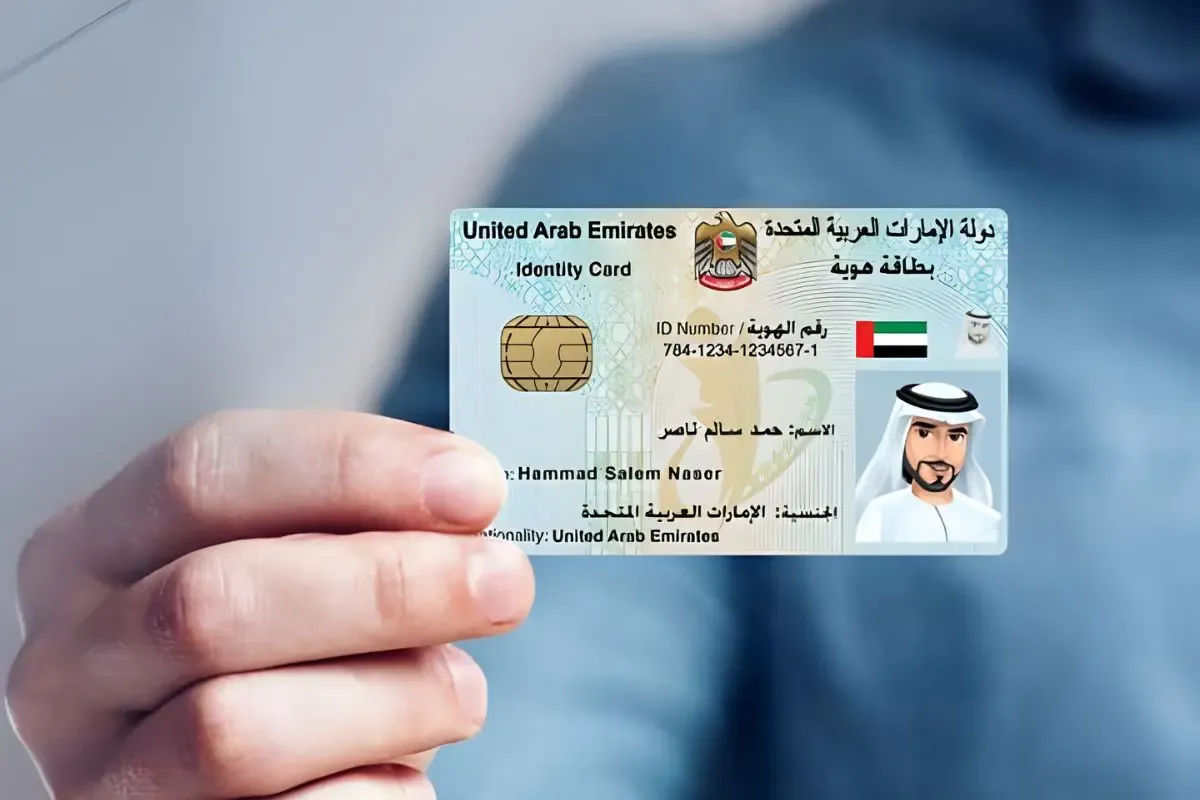
One of Dubai’s notable advantages is that the UAE does not impose a general personal income tax on salaries and most personal investment income. This is a factor that leads many international entrepreneurs to consider the UAE when choosing where to live and manage their assets.
Holding a Dubai Golden Visa does not automatically mean becoming a UAE tax resident or ending tax obligations in Vietnam or the United States.
The UAE has criteria for determining tax residence based on physical presence, place of residence and the centre of personal and economic interests. Some cases may qualify with 90 days of presence combined with additional requirements; others are subject to a 183-day threshold.
At the same time, individuals directly conducting business in the UAE may be subject to corporate tax if revenue from business activities exceeds 1 million AED in the year.
Dubai’s advantage therefore lies in its competitive tax environment, but the actual outcome depends on how a family structures its residence, businesses and assets. If they leave the UAE, tax obligations in the new country and any business activities maintained in the UAE still need to be assessed separately.
4. Caribbean passports: Additional citizenship does not mean a change in tax residence

Caribbean citizenship-by-investment programs, such as those of Dominica or St. Kitts & Nevis, offer second citizenship to eligible individuals.
But a Vietnamese entrepreneur who obtains a Dominica passport while continuing to live and conduct business primarily in Vietnam cannot rely solely on the new citizenship to conclude that their tax residence has changed.
Similarly, United States citizens who obtain an additional Caribbean passport generally remain subject to United States tax obligations based on citizenship. If they later renounce their second citizenship, this does not automatically erase tax obligations already incurred in other countries.
A second passport can broaden international choices, but it is not an automatic means of eliminating tax obligations.
5. CRS and FATCA: Foreign bank accounts are no longer isolated information
Today, countries are increasingly strengthening the exchange of financial information.
CRS (Common Reporting Standard) is a standard for the automatic exchange of financial account information between the tax authorities of participating countries. FATCA is a United States framework for collecting information on certain foreign financial accounts linked to people with United States tax obligations.
These mechanisms do not mean that every banking transaction is automatically shared. However, banks may be required to verify countries of tax residence and tax identification numbers, and report applicable account information.
For families with assets in multiple countries, consistent reporting and financial record management are increasingly important.
6. Comparing tax obligations after obtaining residence rights
| Market | When does tax residence arise? | Points to note |
|---|---|---|
| United States | Generally upon obtaining a green card or meeting physical presence requirements | Worldwide income, foreign accounts, rules on relinquishing a green card |
| Europe | Depends on the country, physical presence and centre of interests | Worldwide income or special tax regimes; obligations when moving away |
| Dubai/UAE | Under UAE tax residence conditions | No general personal income tax; business activities may be taxable |
| Caribbean | Depends on the country and actual residence status | Second citizenship does not automatically change tax obligations elsewhere |
7. Immigration is a decision for the whole family, not just an application
A family may choose the United States for their children’s educational future, Europe for quality of life, Dubai for its business environment or the Caribbean for second citizenship. Each choice offers different benefits.
But before obtaining new residence rights or citizenship, the family should clearly understand three issues: When do they become tax residents of that country? Which income, accounts and assets must be reported? If they later change their plans and leave, what will their tax obligations be?
For entrepreneurs with companies and assets in multiple countries, a meeting with an international tax specialist before changing residence status can help identify reporting obligations, the potential application of double taxation treaties and suitable asset structuring options.
A sound immigration strategy not only gives a family more choices about where to live, but also helps them clearly understand the financial responsibilities that accompany that decision.
EMMAI GLOBAL
International Analysis & Strategy
From Vietnam to Global
This article is for reference only and does not constitute legal advice. Regulations may change.

Global families
How many countries does a global family need?

Global families
Obtaining a residence card is only the first step: How can you maintain immigration rights for the whole family?

Global families
Sending a child abroad to study or immigrating as a family: Canada, Australia or New Zealand — which ticket truly allows your child to stay?

Family
I want to prepare the best for my children. But that does not mean they have to choose it.