
Many families spend hundreds of thousands of euros on a European residence card, only to discover that what they receive is not what they need. Before choosing Malta, Portugal or Greece, the right question is: are we buying an asset, residence rights, or a path to becoming European citizens?
Not every family seeking residence rights in Europe intends to move there immediately. Some are preparing an educational environment for their children. Some simply need a contingency option. Others are focused directly on permanent residence or citizenship over the long term.
Those three goals lead to three very different choices. And the deciding factors are not just the amount invested, but the rights the family receives, how long they must be present, and whether they genuinely want to live in Europe.
Malta: permanent residence from day one
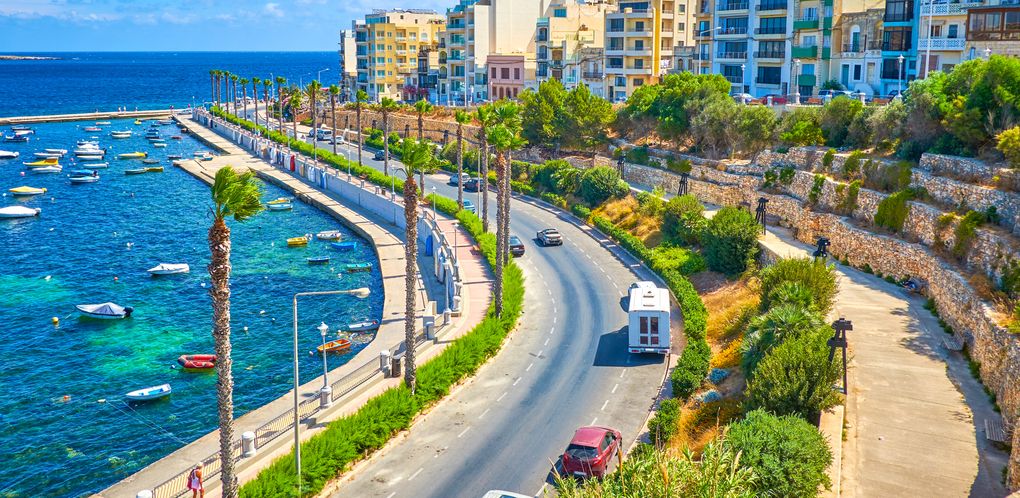
The Malta Permanent Residence Programme (MPRP) has one major distinguishing feature: rather than issuing a temporary residence card that must be renewed, MPRP provides a route to permanent residence status upon approval.
The main amounts under the current structure are: an administrative fee of 60.000 EUR; a government contribution of 37.000 EUR; rental costs of at least 14.000 EUR/year or a property purchase of at least 375.000 EUR. There are also charitable contributions, insurance, dependant fees and proof-of-assets requirements.
The programme does not require participants to live in Malta for most of the year, but they must meet ongoing obligations.
Suited to families seeking permanent residence in an EU country while continuing to live and conduct business primarily in Vietnam.
One point needs to be clear: Maltese permanent residence is not Maltese citizenship and does not automatically lead to an EU passport.
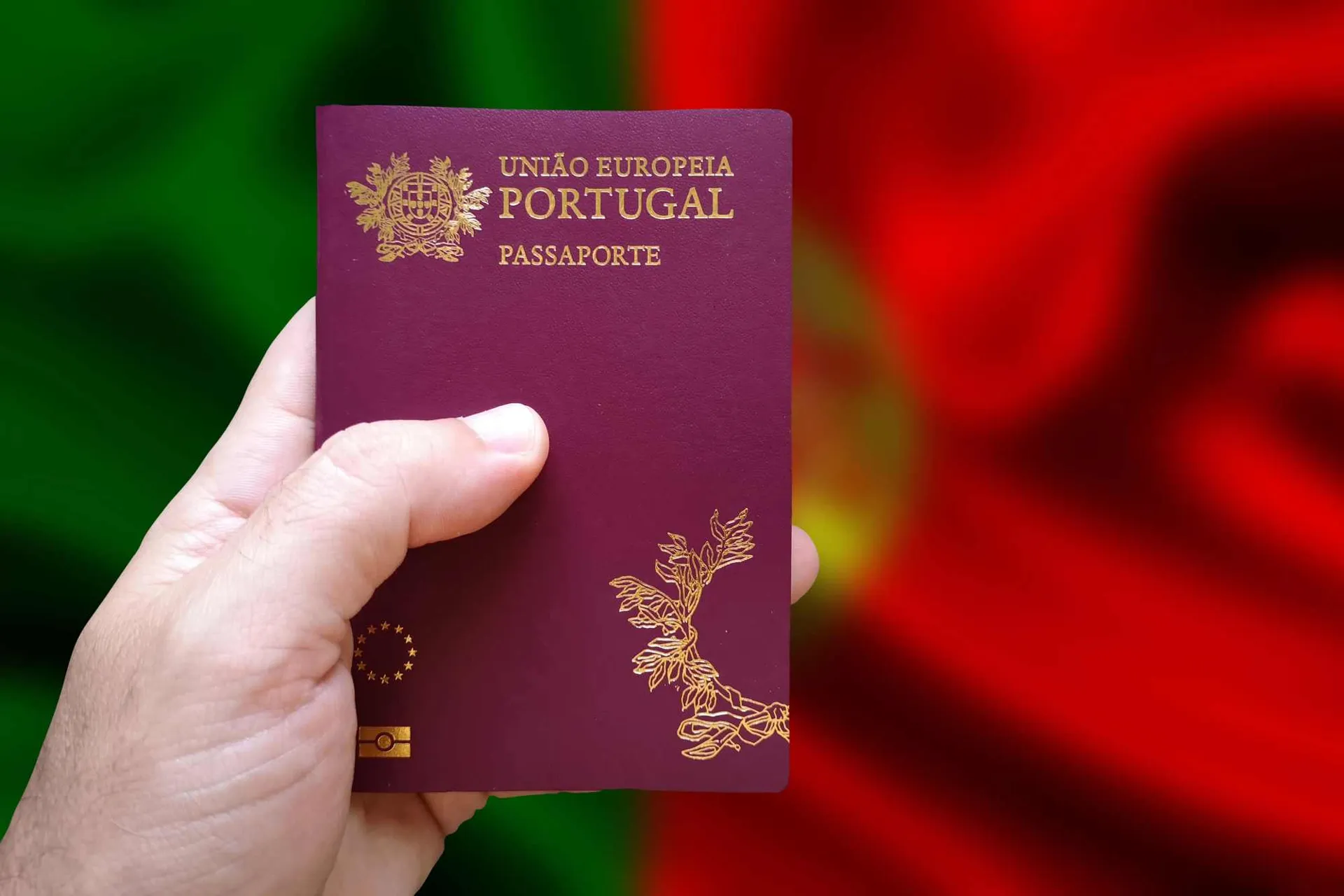
Portugal: few days of presence, but the path to citizenship has doubled in length
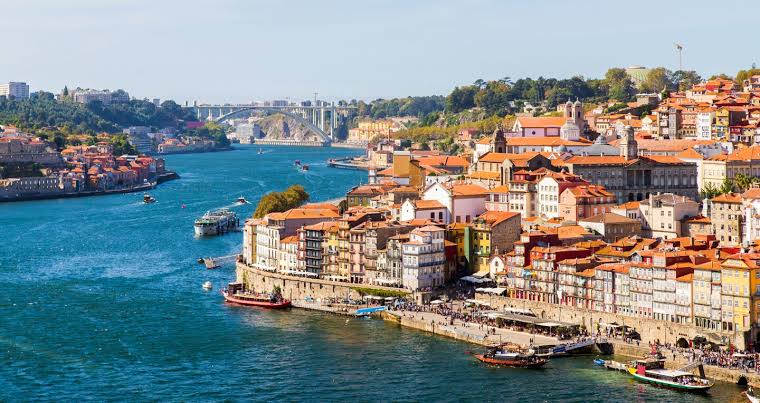
Since 10/2023, Portugal has no longer accepted new Golden Visa applications through property purchases. One current option is to invest at least 500.000 EUR in a qualifying investment fund.
The greatest advantage is the very low presence requirement: at least 7 days in the first year and 14 days in each subsequent two-year period. Entrepreneurs can continue running their businesses in Vietnam while retaining residence rights, provided they meet the programme's conditions.
But there is a change many families are not yet aware of: since 5/2026, for most Vietnamese citizens submitting new naturalisation applications, the standard period of legal residence has increased to 10 years, instead of the previous 5 years.
Suited to families seeking to retain residence rights through a financial investment, who do not need to move immediately and accept a longer timeline if their goal is citizenship.
Risks to assess carefully: fund quality, the ability to withdraw capital, and further changes in the law.
Greece: owning a tangible asset
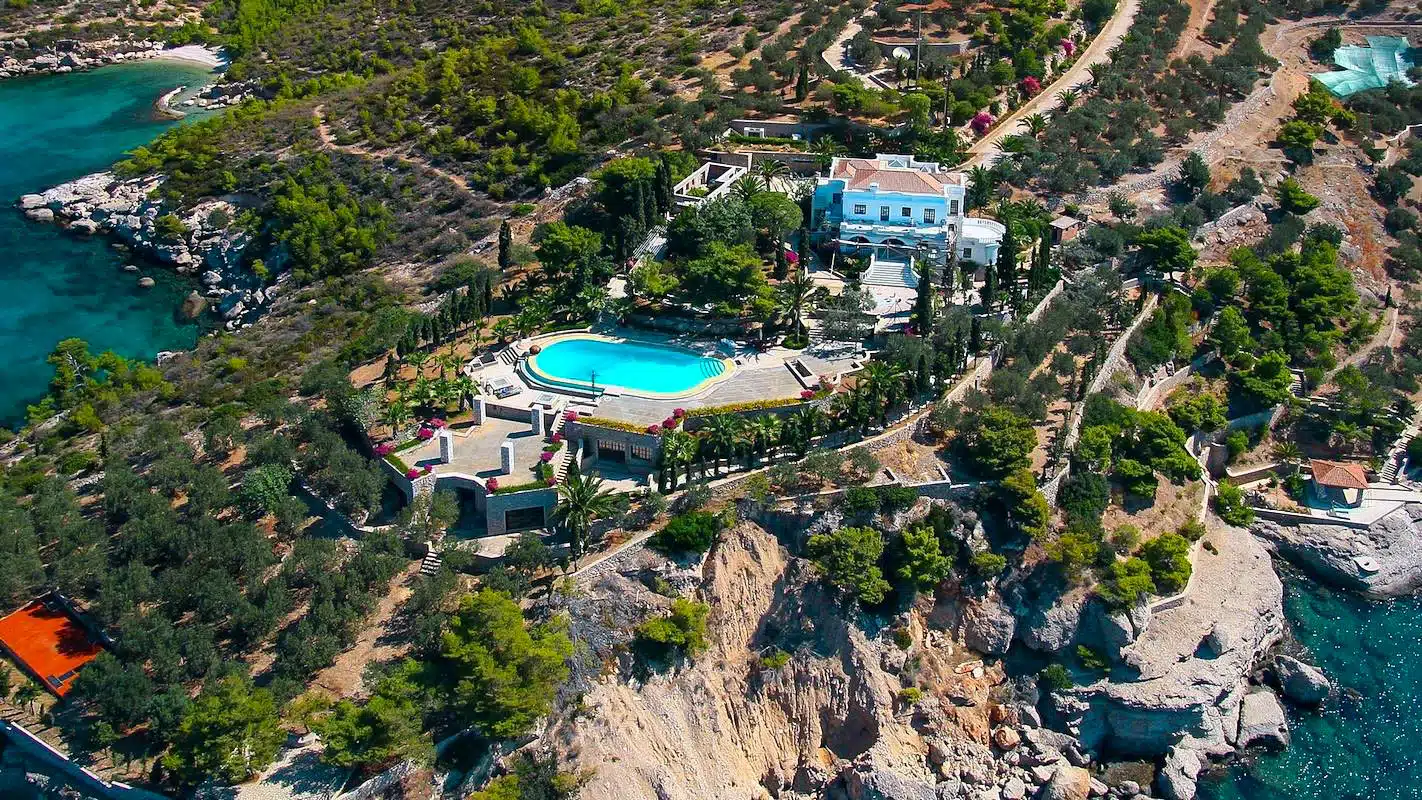
Greece continues to offer its Golden Visa through real estate, with common thresholds of: 800.000 EUR in Athens, Thessaloniki and high-demand areas; 400.000 EUR in many other areas; and 250.000 EUR for certain special property categories under specific regulations.
Eligible investors receive a five-year residence card, renewable as long as they continue to meet the requirements. There is no standard minimum number of days of presence required to maintain it.
Suited to families seeking to own a tangible asset in Europe, which they can use or generate income from within legal limits, while also retaining residence rights.
But if the goal is Greek citizenship, applicants generally need at least seven years of legal and actual residence, along with other naturalisation requirements. Holding a Golden Visa without living in Greece does not automatically create a right to naturalisation.
Comparing the three options
| Criteria | Malta | Portugal | Greece |
|---|---|---|---|
| Programme | MPRP | Golden Visa | Golden Visa |
| Main route | Contribution + renting/buying a home | Fund investment | Property purchase |
| Main budget | Programme fees + renting/buying a home | From 500.000 EUR | Generally 400.000–800.000 EUR |
| Residence rights | Permanent residence, subject to maintenance conditions | Temporary, renewable | Fixed-term, renewable |
| Presence to maintain status | No need to live there for most of the year | 7 days in the first year; 14 days every 2 years | No standard minimum |
| EU citizenship | Not automatic | Possible, if citizenship law requirements are met | Possible, if citizenship law requirements are met |
The figures do not include all legal costs, taxes, insurance, dependant costs and the costs of maintaining the investment.
The most common misconception: a card lets you live anywhere in Europe
A residence card from Malta, Portugal or Greece may facilitate short-term travel within the Schengen Area under the applicable rules. But a card issued by one country does not allow a family to move to any other EU country to live or work long term.
If the goal is for children to study in France, to move to Germany or to do business in the Netherlands, the family still needs to review that country's own residence rules.
Permanent residence, naturalisation and EU citizens' freedom of movement are three different legal matters.
So which country should a Vietnamese family choose?
If the goal is permanent residence and a long-term contingency option, Malta deserves to be considered first.
If the priority is financial investment and retaining residence rights with very few days of presence, Portugal may be suitable.
If the aim is to obtain residence rights while also owning property, Greece offers another approach.
If the ultimate goal is an EU passport, a separate strategy is needed for actual residence, time, language and naturalisation requirements—not simply holding an investment.
A family does not need to move to Europe today to have more options tomorrow. But before investing, be clear: are we buying an asset, establishing residence rights, or building a path to becoming European citizens? Those three goals are related, but they are not the same.
EMMAI GLOBAL
International Analysis & Strategy
From Vietnam to Global
This article is for reference only and does not constitute legal advice. Regulations may change.

Family
I want to prepare the best for my children. But that does not mean they have to choose it.
Global families
How many countries does a global family need?

Global families
Obtaining a residence card is only the first step: How can you maintain immigration rights for the whole family?
Global families
How do a family’s taxes change after obtaining a green card or residence abroad?