
For the same one-million-USD real estate investment, ownership costs in each country can differ by hundreds of thousands of USD. While Singapore, Australia, and the United States apply different tax mechanisms, Dubai is attracting international capital through its open ownership policies and relatively competitive cost structure.
A property listed at one million USD does not mean an investor needs only one million USD to own it.
Stamp duty, foreign buyer surcharges, annual property taxes, and maintenance costs can significantly change an investment’s performance.
So where do the differences between these four major markets lie?
1. Singapore: Property purchase tax can reach 60%
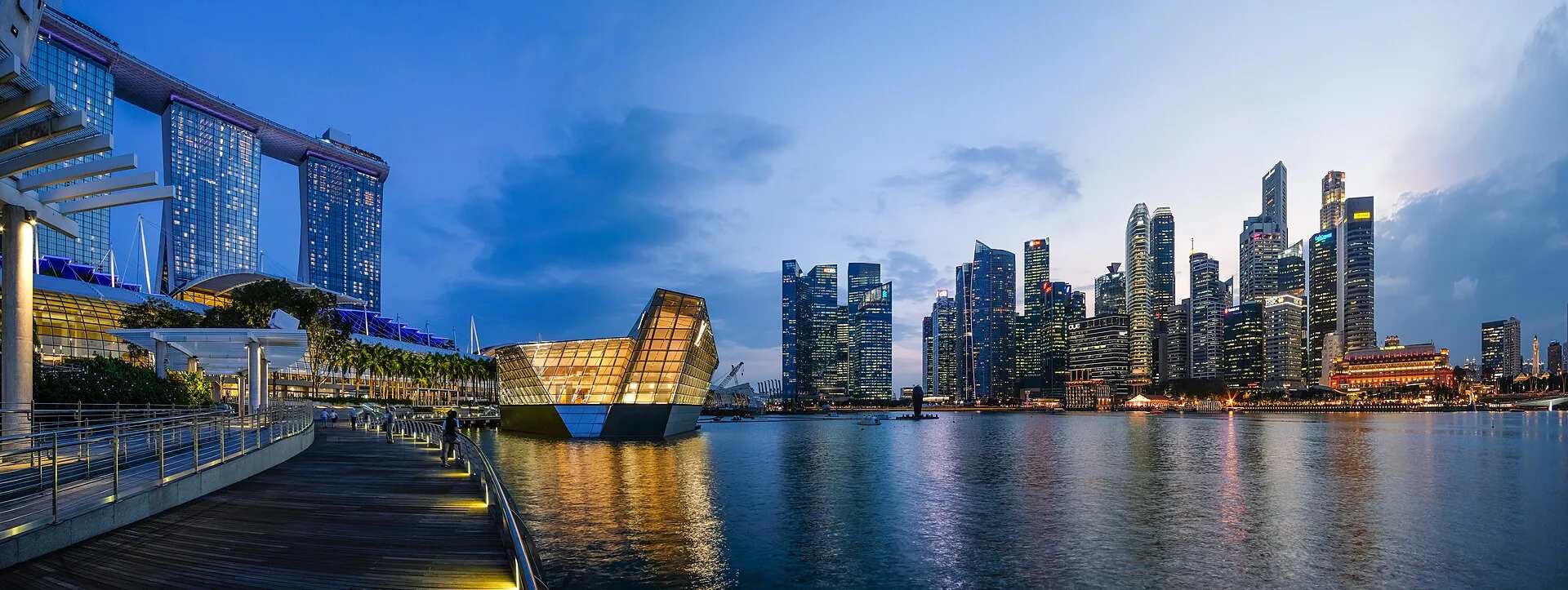
Singapore imposes a 60% Additional Buyer's Stamp Duty – ABSD on most foreign individuals purchasing residential property, in addition to standard stamp duty.
For example, an apartment worth 1 million USD may incur approximately 600.000 USD in additional ABSD, excluding other taxes and fees.
This is a substantial cost that investors need to consider before deciding to buy.
2. Australia: Surcharges for foreigners and restrictions on home purchases
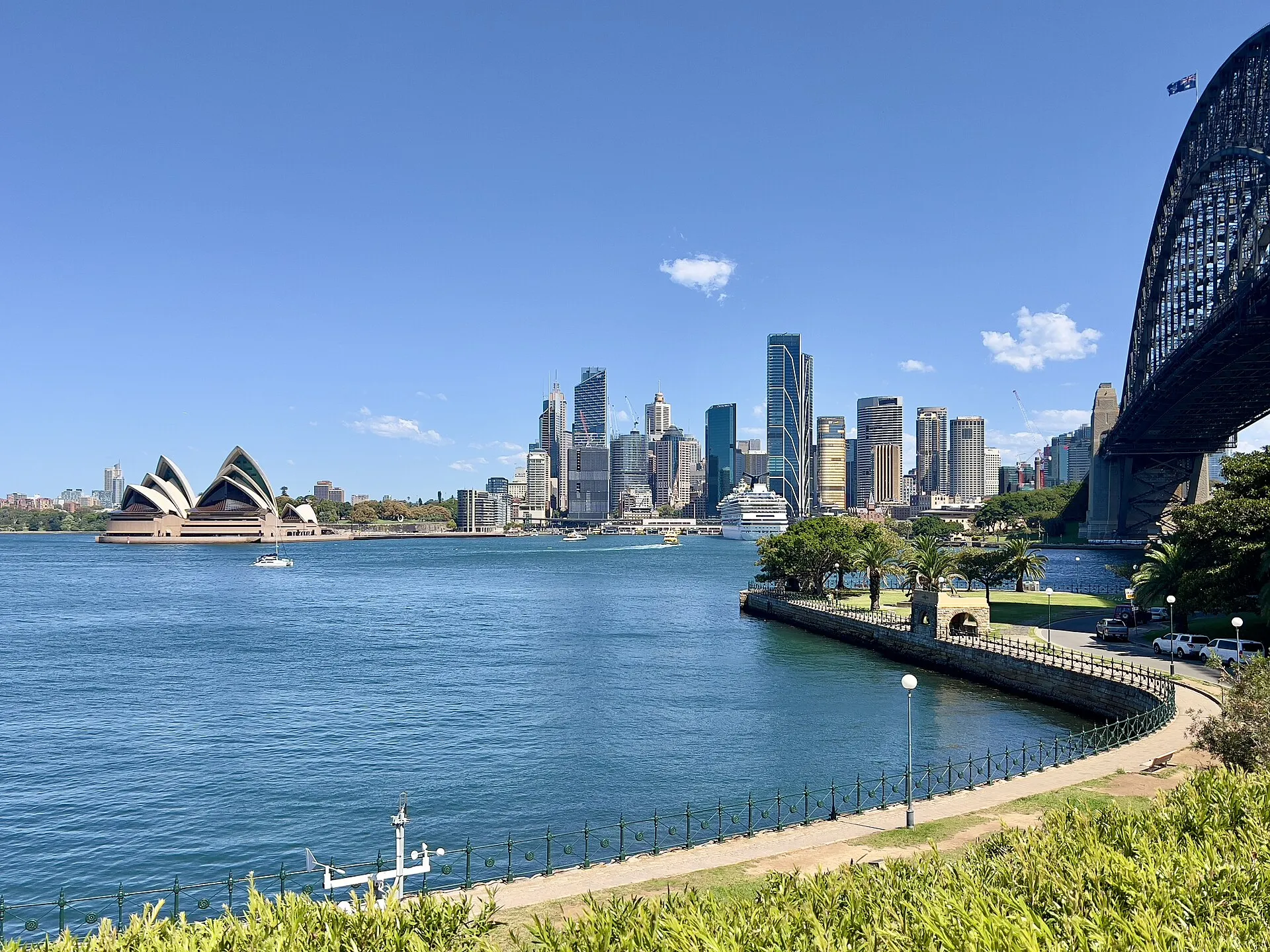
In New South Wales, where Sydney is located, foreign buyers subject to the rules face a surcharge of 9% of the residential property's value, in addition to ordinary transfer duty.
Victoria, where Melbourne is located, applies a surcharge of 8%.
In particular, from 4/2025 through the end of 3/2027, Australia restricts foreigners from purchasing established homes, with certain exceptions.
This means investors need to consider both their eligibility to purchase and transaction costs before selecting a property.
3. United States: Property tax remains payable every year
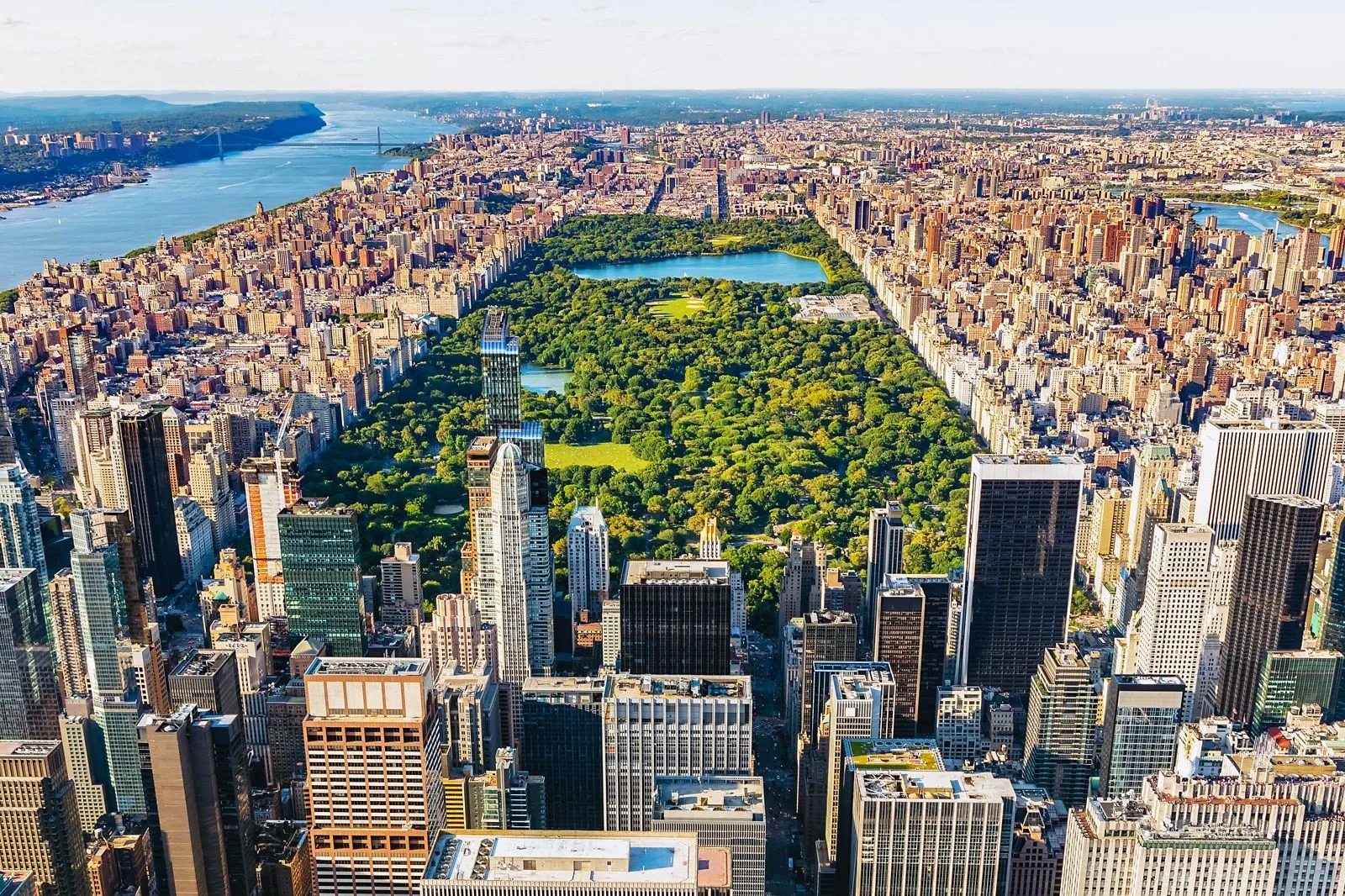
Unlike Singapore and Australia, one notable cost in the United States is annual property tax.
Tax rates vary by locality and can create substantial financial obligations.
For example, if a house worth 1 million USD has an assumed effective property tax rate of 1,5% per year, the investor must budget approximately 15.000 USD in annual taxes, even without tenants.
There are also insurance, maintenance, management fees and other costs.
4. Dubai: A different cost structure
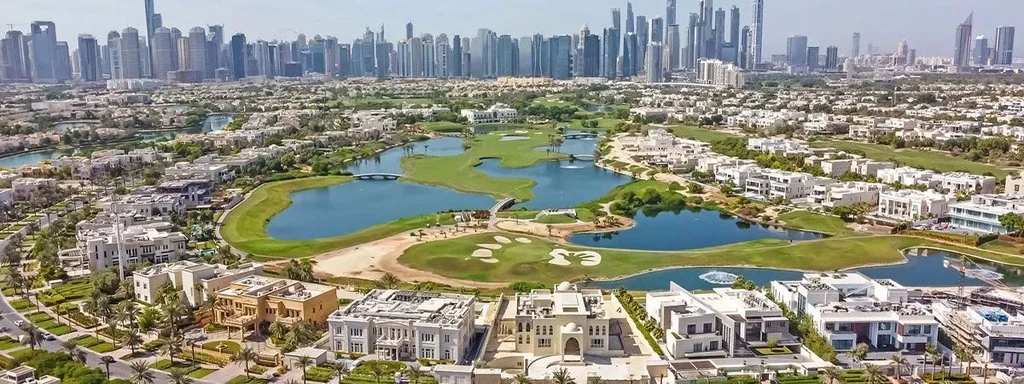
In Dubai, foreigners may own freehold property in designated areas.
The Dubai Land Department's transfer registration fee is typically 4% of the transaction value.
Notably, Dubai does not impose a general annual property tax based on property value, as many localities in the United States do.
To illustrate the difference, consider a property with a value equivalent to 1 million USD:
| Market | Notable tax or fee |
|---|---|
| Singapore | ABSD 60% = 600.000 USD |
| Sydney, Australia | Surcharge 9% = 90.000 USD |
| United States | Illustrative property tax 1,5% = 15.000 USD/year |
| Dubai | Transfer fee 4% = 40.000 USD |
These figures are illustrative, not the total cost of ownership. Singapore and Australia also impose ordinary stamp duty; the United States has transaction taxes and fees that vary by locality; Dubai has brokerage, registration, building management and maintenance fees. Actual obligations depend on the property type and the buyer's status.
5. Why does Dubai attract international investors?
Dubai's advantages extend beyond transaction costs.
The city also brings together several factors that matter to international investors:
Ownership: Foreigners can own freehold property in designated areas.
Holding costs: There is no general annual property tax based on property value.
Income potential: The rental market serves residents, professionals and international businesses.
Long-term residence: Qualifying property can support a UAE Golden Visa application.
Business connectivity: Dubai is an international hub for trade, finance and aviation.
The combination of ownership rights, the business environment and residence policies is part of the reason Dubai has become a notable destination for international capital.
However, tax advantages do not guarantee returns. Purchase prices, supply, occupancy rates, service charges and resale potential still determine actual investment performance.
6. What Vietnamese investors should compare
Singapore, Australia and the United States retain their own advantages in education, living environment, property quality and long-term investment opportunities.
Dubai offers another option: relatively predictable transaction costs, ownership rights for foreigners and the ability to combine property with residence and international business plans.
Therefore, rather than asking only “Where will property prices appreciate the most?”, investors should ask an additional question:
“After deducting taxes, transaction fees and all ownership costs, how much value do I actually retain?”
This is also one of the reasons Dubai is increasingly included among the options international investors consider.
Because in property investment, what matters is not only how much an asset appreciates, but also how much the investor retains after all costs.
EMMAI GLOBAL
International Analysis & Strategy
From Vietnam to Global
This article is for reference only and does not constitute legal advice. Regulations may change.
Real estate
What can one million USD buy around the world? A real estate map for Vietnamese investors
Real estate
Dubai Real Estate: Is an 8% Yield Really a Good Investment?

Family
I want to prepare the best for my children. But that does not mean they have to choose it.
Global families
How many countries does a global family need?