
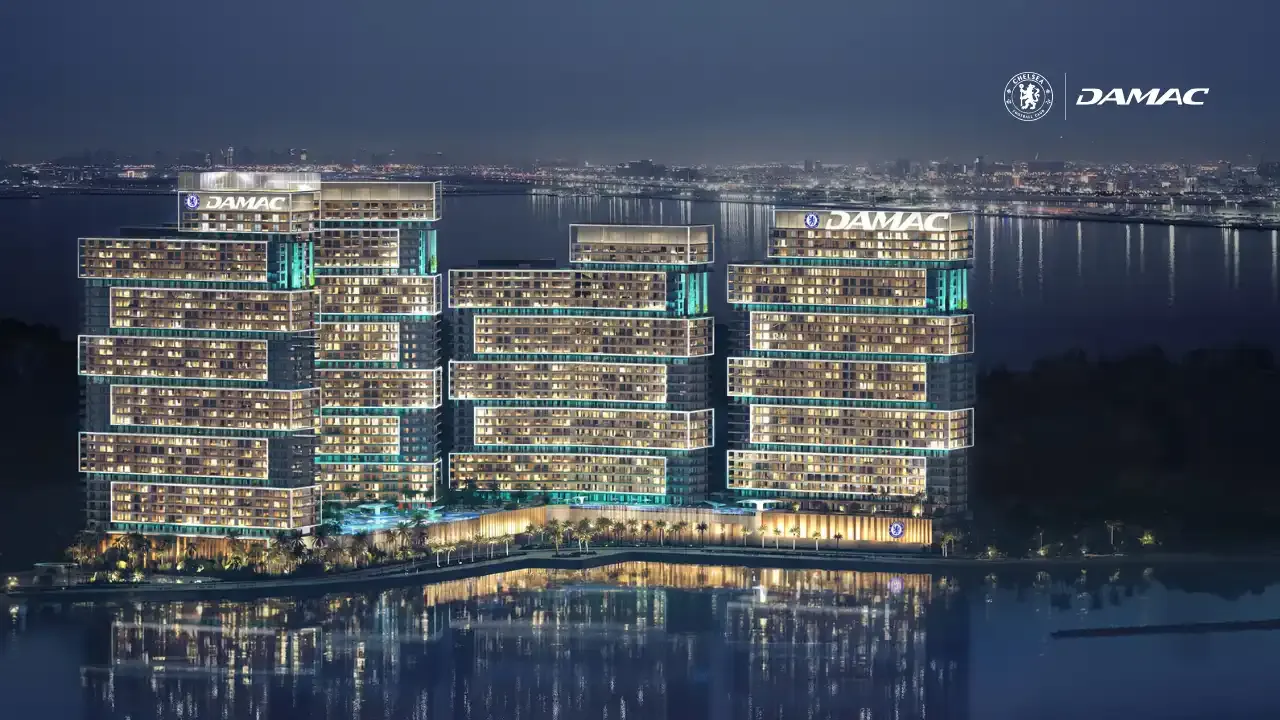
High rental yields can attract investors. But after ownership fees, vacancy periods and exit costs, actual returns may tell a very different story.
An apartment in Dubai is offered for sale at 2 million AED, equivalent to approximately 545.000 USD.
The projected rent is 160.000 AED per year.
Rental yield: 8%.
For an investor seeking cash flow, this figure is clearly attractive. Particularly when compared with international property markets where purchase prices are high but rental yields are lower.
However, one question rarely appears in project brochures:
How much of that 8% does the investor actually keep?
And an even more important question: if the property needs to be sold after three years, will the investment still be attractive?
1. The advertised yield is not the yield the investor receives
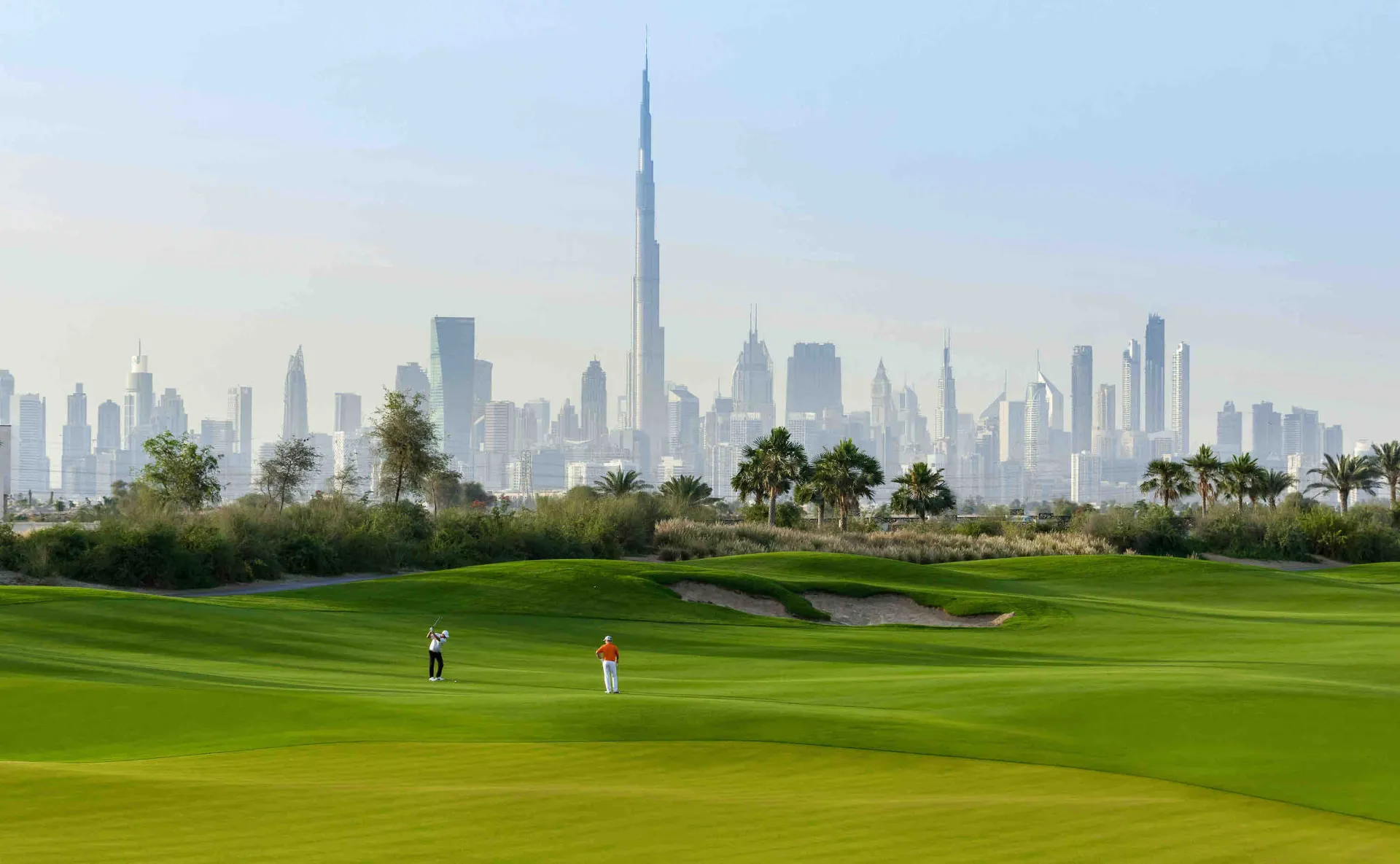
In real estate, gross rental yield is calculated by dividing annual rent by the property's purchase price.
This is a useful metric for initial comparisons, but it does not fully reflect financial performance.
Let us continue with the hypothetical apartment priced at 2 million AED.
| Item | Value |
|---|---|
| Apartment purchase price | 2.000.000 AED |
| Projected annual rent | 160.000 AED |
| Gross yield | 8,0% |
| Building service charges | 18.000 AED |
| Maintenance, insurance and reserves | 7.000 AED |
| Rental management | 8.000 AED |
| Vacancy allowance | 8.000 AED |
| Projected net operating income | 119.000 AED |
<text color="secondary" size="xs">The costs above are illustrative assumptions, not quotations or average fees in the Dubai market.</text>
Based on the purchase price alone, the net operating yield falls to 5,95%.
But the investor must also pay the initial transaction costs.
Under Dubai Land Department regulations, the standard registration fee for a property sale transaction is 4% of the contract value. How this fee is allocated between buyer and seller depends on their agreement; in many transactions, the buyer bears this fee. Brokerage fees and related costs may also arise.
Assuming total acquisition costs of 6% of the property value, the total capital outlay would be 2,12 million AED.
In that case:
<box gap={1}>
<text color="secondary" weight="medium" size="xs">NET YIELD ON TOTAL CAPITAL INVESTED</text>
<title size="2xl" color="default" tabularNums>5,61%/year</title>
<caption>119.000 AED ÷ 2.120.000 AED, before financing costs and any applicable tax obligations</caption>
</box>
The gap between 8% and 5,61% is not a calculation error. It is the difference between projected rental revenue and net cash flow on the total capital actually committed.
For long-term investors, this gap can significantly affect asset allocation decisions.
2. A changing market: Yesterday's yield does not guarantee tomorrow's
For many years, Dubai real estate benefited from international capital flows, population growth and demand for rental housing.
However, the market in 2026 is showing signs that warrant more careful analysis.
According to CBRE’s QII/2026 report, Dubai’s residential property market showed clearer signs of moderation as demand weakened, transactions declined and new supply helped ease price pressures. Economic and regional disruptions also affected the short-term outlook.
This does not mean that every segment of Dubai’s property market is declining to the same extent.
A completed apartment in an area with stable rental demand may have a very different risk profile from a project under construction in an area expecting a large volume of new supply.
Even within the same building, size, floor, views, layout and service charges can affect rental prospects and resale value.
Using an area’s average yield to forecast the cash flow of a specific apartment is therefore not enough.
Investors need to examine actual tenancy agreements, prices of comparable units, vacancy rates and future competing supply.
A high yield may reflect an opportunity. But sometimes it is also compensation for risks the market has already recognised.
3. An apartment that generates good cash flow is not necessarily easy to sell
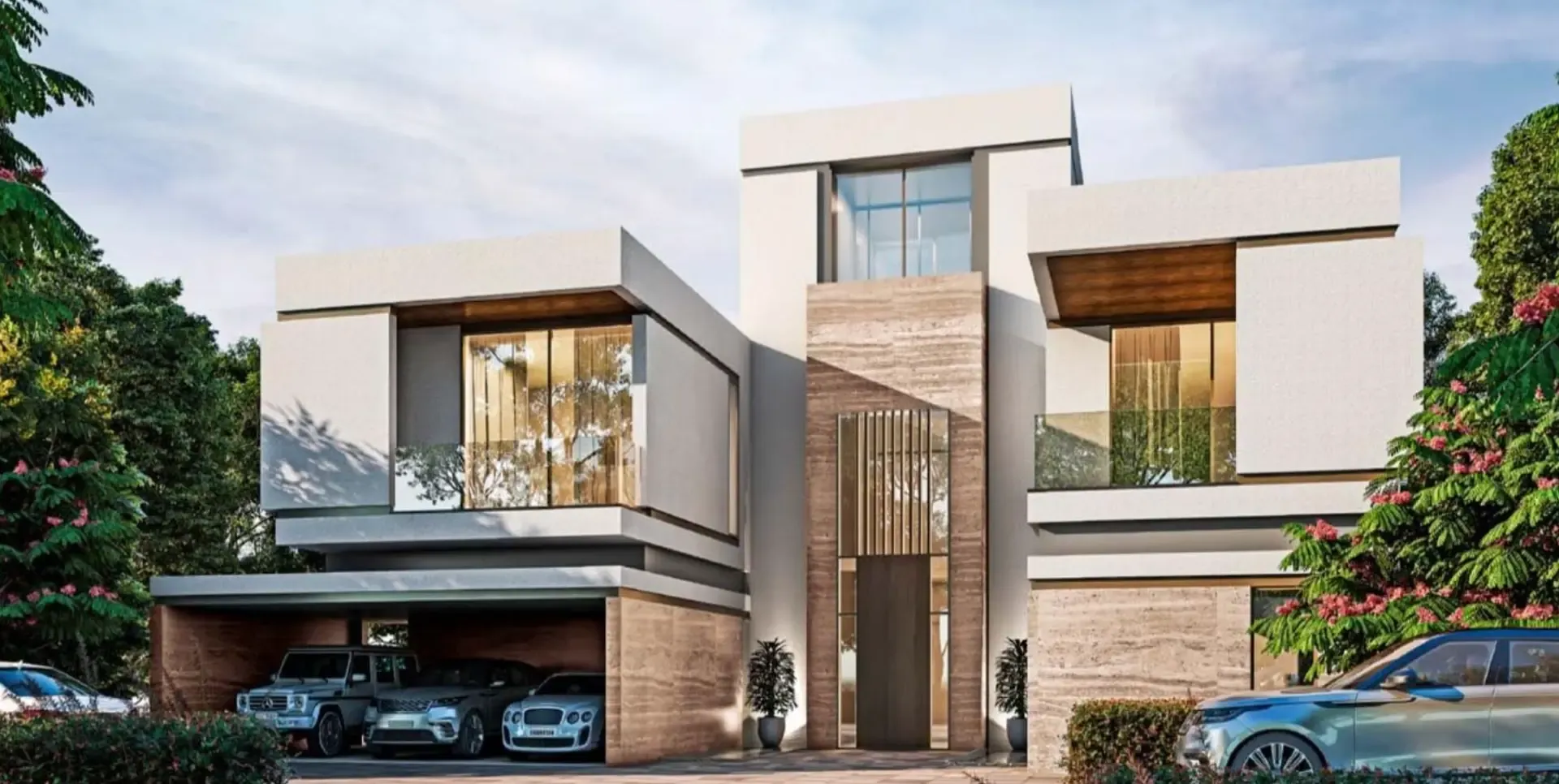
This is a point often underestimated in international property investment.
An investor may own an apartment that generates consistent rental income for many years. But when they need to recover their capital, the ability to sell the asset at their desired price depends on market conditions at that time.
Suppose the 2 million AED apartment mentioned above generates 119.000 AED in annual net cash flow and maintains this level for three years.
Total operating cash flow received is 357.000 AED.
If, after three years, the investor sells the apartment for 1,8 million AED — 10% below the purchase price — and incurs assumed selling costs of 2%, the result would be as follows:
| Item after 3 years | AED |
|---|---|
| Total acquisition capital | (2.120.000) |
| Net income over three years | +357.000 |
| Sale price | +1.800.000 |
| Assumed selling costs | (36.000) |
| Result before tax and financing costs | +1.000 |
After holding the apartment for three years, the investor has almost broken even in nominal terms, even though it was originally presented as offering an 8% rental yield.
This is a hypothetical scenario, not a forecast of Dubai property prices.
But it illustrates an important principle: rental cash flow and changes in asset value must be assessed together.
An investment does not become safe simply because it generates regular income.
4. Off-plan: Expected returns come with timing risk
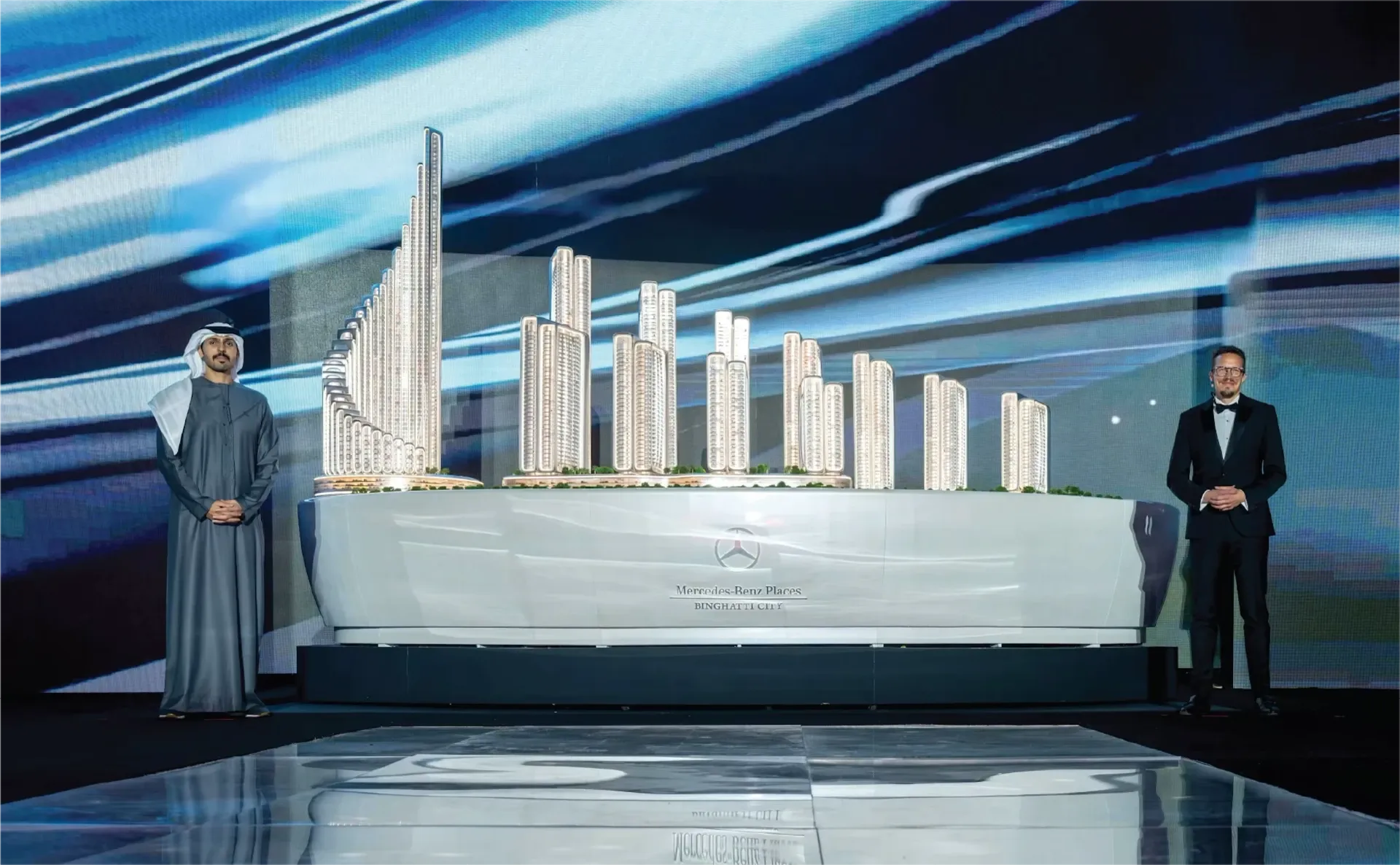
Property purchased before completion, or off-plan property, is an important part of Dubai’s market.
These projects can offer flexible payment schedules and opportunities to acquire assets before completion.
But investors seeking rental yields need to distinguish clearly between two periods: the wait for handover and the period when the asset actually generates income.
An apartment expected to yield 8% after completion does not generate rental cash flow during construction.
If the timeline is extended, the start of income is also delayed. If competing supply increases before handover, actual rents may differ from the original assumptions.
In addition, the ability to transfer a contract before handover depends on the developer’s conditions, payment progress, approval procedures and buyer demand in the secondary market.
Expected price appreciation at handover should therefore not be treated as a profit already realised.
For off-plan property, investors need to assess the developer’s capabilities, payment structure, construction progress, transfer conditions and market scenarios at the time of completion.
Buying before construction is complete does not mean buying below intrinsic value.
5. Could an apartment yielding 5% be better than one yielding 8%?
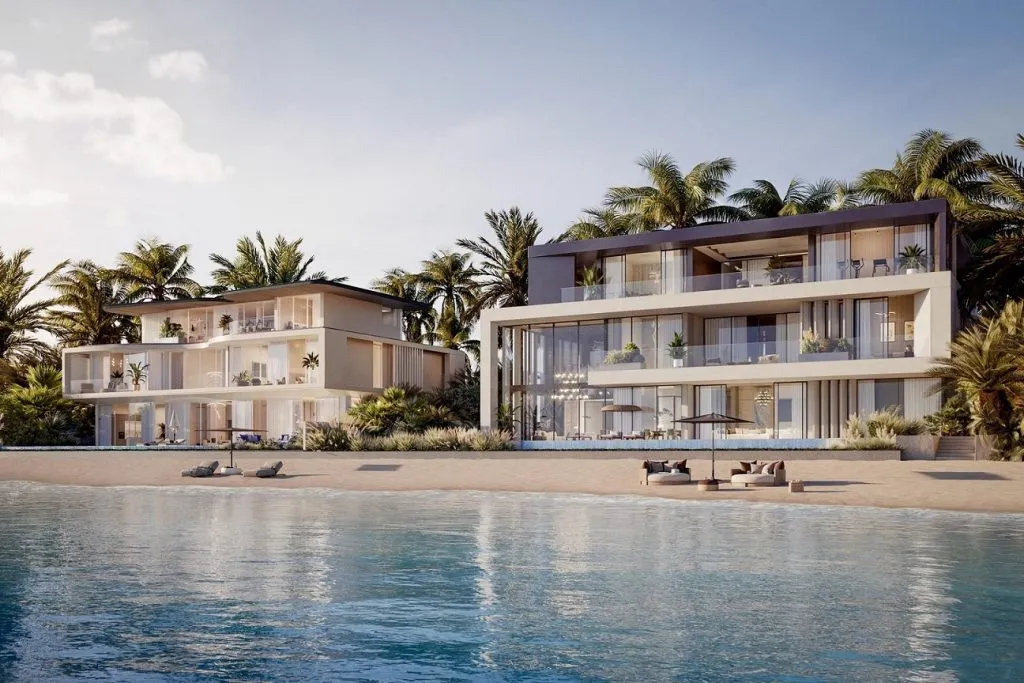
The answer depends on the investment objective.
An apartment with an 8% gross yield but high operating costs, fluctuating rental demand and a limited resale market may not suit an investor who needs liquidity.
Conversely, an asset yielding 5% in an area with sustained demand for homes, reasonable operating costs and many potential buyers may be better suited to a capital preservation strategy.
However, it cannot be assumed that lower-yielding property will appreciate more or be easier to sell.
Every conclusion must be based on data for the individual asset.
For a family building an international portfolio, Dubai property can serve several different roles: generating cash flow, providing geographical diversification, meeting residence needs or supporting business plans.
Each role calls for a different approach to assessment.
If the objective is cash flow, net yield and the ability to retain tenants should take priority.
If the objective is capital preservation, asset quality, purchase price and liquidity need to be assessed.
If the objective is family use, utility value and location may matter more than yield.
The issue is not about choosing the highest percentage.
It is about understanding precisely what the investor expects the asset to do.
6. The question investors should ask before signing a contract
Dubai’s property market has genuine advantages in its accessibility to international investors, infrastructure and business ecosystem.
But city-level advantages do not guarantee the performance of individual investments.
An asset can be in an attractive market and still be purchased at an unreasonable price.
A project can be developed by a major developer and still be unsuitable for a particular family’s investment horizon or cash flow needs.
So, before asking:
“What rental yield does this apartment offer?”
Investors should ask an additional question:
“If I need to sell this asset in an unfavourable market, who will the next buyer be, and how much will they be willing to pay?”
That is the question connecting yield, asset value and liquidity.
It also marks the difference between buying a seemingly attractive property and building an investment with a sound financial foundation.
Yield may prompt an investor to buy. But the purchase price, ownership costs and ability to exit determine the ultimate outcome.
EMMAI GLOBAL
International Analysis & Strategy
From Vietnam to Global
This article is for reference only and does not constitute legal advice. Regulations may change.
Real estate
What can one million USD buy around the world? A real estate map for Vietnamese investors
Real estate
Buying property in the United States, Australia, Singapore, or Dubai: How much do foreign investors really have to pay?

Family
I want to prepare the best for my children. But that does not mean they have to choose it.

Global families
How many countries does a global family need?