
A business licence is the first step. Bank accounts, cash flow, tax obligations and operational capabilities are what determine whether a UAE company genuinely creates value for a Vietnamese business.
Dubai has long attracted international entrepreneurs with its open business environment, market connectivity and modern infrastructure.
For Vietnamese entrepreneurs, setting up a company in the UAE today can be relatively straightforward. Depending on the jurisdiction and business activity, some procedures can be completed within a short time.
But there is a notable paradox: the easier it becomes to establish a legal entity abroad, the easier it is for businesses to confuse owning an international company with actually doing business internationally.
A licence in Dubai allows a business to establish an initial legal presence. It does not automatically bring customers, a bank account, international payment capabilities or an efficient tax structure.
And it is precisely the gap between these two things that calls for careful scrutiny of many investment decisions.
1. A company can be established in a few days. Banks may ask much harder questions.
One common misconception is that, after receiving a business licence, a company can automatically open a bank account and start receiving payments.
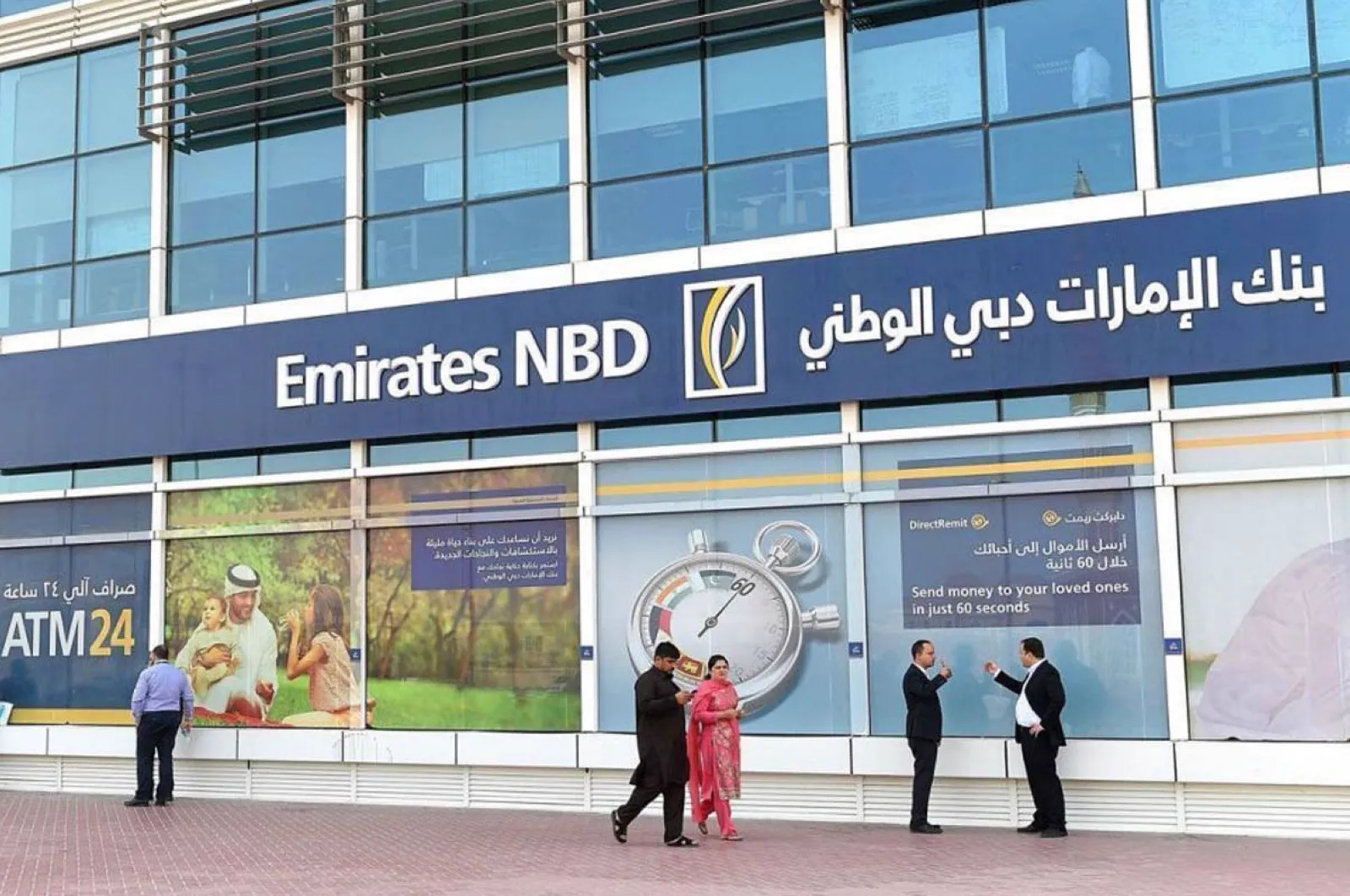
In practice, banks assess a business against criteria different from those used by licensing authorities.
Banks need to understand who actually owns and controls the company, where its funds come from, which markets its customers and partners operate in, and whether the expected transactions align with the declared business model.
These requirements are tied to customer verification and financial crime prevention processes, rather than being mere administrative formalities.
A company with a valid licence may still need to provide additional contracts, invoices, shareholder records, evidence of the source of funds or documentation demonstrating actual operations.
The important question, therefore, is not simply:
“Where is it fastest to set up a company?”
It must instead be:
“Is this business model sufficiently transparent and appropriate for a bank to accept it and support payment operations over the long term?”
For businesses engaged in cross-border trade, consulting or investment, this may determine the feasibility of the entire plan.
2. A 0% tax rate does not mean all profits are tax-exempt

One of the factors attracting attention to the UAE is its competitive tax policy.
However, assuming that setting up a company in a free zone automatically qualifies it for 0% corporate tax can lead to flawed calculations.
Under the UAE corporate tax framework, the standard rate is 0% on taxable income up to AED 375.000 and 9% on the portion above that threshold, while free zone businesses meeting the conditions of the Qualifying Free Zone Person regime may be eligible for 0% on Qualifying Income.
The point to note is that not all income earned by a free zone company is automatically considered Qualifying Income.
The assessment depends on the nature of its activities, transaction types, counterparties, economic substance conditions and related compliance requirements.
Businesses must also consider tax registration, filing, record-keeping and VAT obligations. The standard mandatory VAT registration threshold for UAE-resident businesses is AED 375.000 in taxable supplies and imports, subject to statutory conditions.
A structure chosen solely because of “0% tax” advertising may no longer be attractive once all compliance costs and actual obligations are factored in.
A low tax rate has value only when the business qualifies for it and can maintain that eligibility.
3. International revenue does not mean funds can move freely
Consider a hypothetical situation.
A Vietnamese business establishes a company in Dubai to enter into consulting contracts with overseas clients. A client pays 500.000 USD into the UAE account.
Of that amount, only 100.000 USD is the company’s service fee. The remainder is collected to pay suppliers or partners under the agreement.
If the business does not clearly establish the contractual basis, its responsibilities for funds received on behalf of others and the documentation substantiating the transactions, subsequent transfers may prompt requests for explanations from the bank, while also raising questions about revenue recognition and tax obligations.
Money passing through an account does not automatically constitute accounting revenue. But calling an amount “collected on behalf of others” is not enough to automatically exclude it from revenue either.
The substance of the transaction, contractual rights and obligations, how the business performs its services and the applicable accounting standards are the factors that require analysis.
This is why cash-flow planning must begin before contracts are signed, rather than waiting until the bank requests additional documentation.
An effective international business needs to be able to answer three questions:
Who does the money come from? Why is the company entitled to receive it? And on what basis is the company permitted to transfer it to the next recipient?
If these three issues cannot be explained consistently, a seemingly flexible structure can become an operational bottleneck.
4. Mainland or free zone: The registered address matters less than the business model
When exploring Dubai, many entrepreneurs begin by comparing the costs of setting up a mainland company and a free zone company.
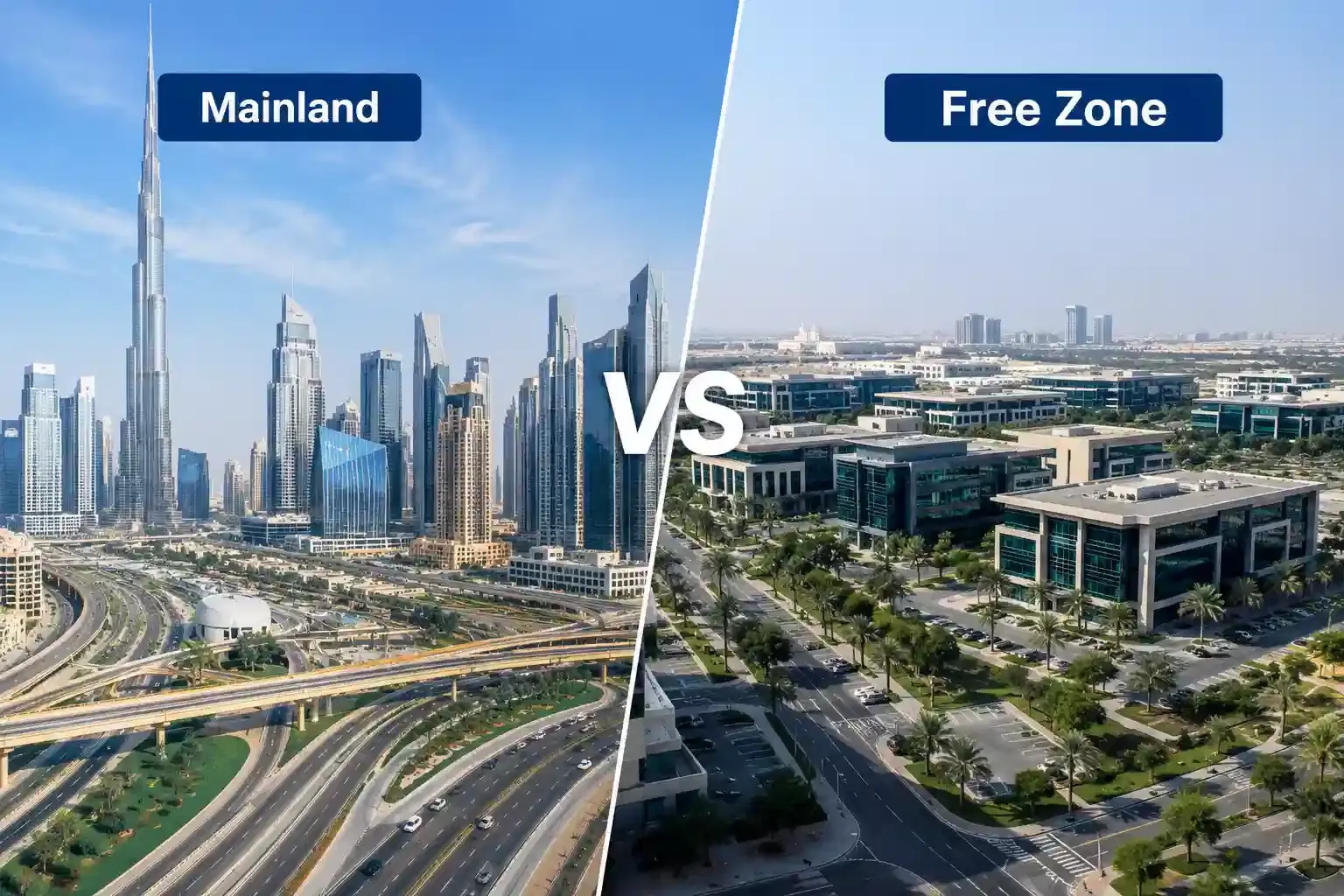
That is part of the equation, but not all of it.
A company primarily serving international clients may have different needs from a business seeking to distribute goods directly, open stores or fulfil contracts in the UAE domestic market.
The choice of structure also depends on licensed business activities, the scope of operations, where services are performed, sector-specific approval requirements and the operating plan.
A less expensive licence does not necessarily result in a lower total cost of doing business.
If the initial structure is unsuitable, the business may need to amend its licence, establish additional legal entities, change contracts or redesign payment processes.
The right comparison, therefore, is not the first-year incorporation fee, but the total cost of owning and operating the structure over three to five years, including its capacity to scale.
5. Dubai should be a centre for value creation, not just an address on paper
A strategic question more important than company formation is: What role will Dubai play in the business’s value chain?

Some businesses need the UAE as a trading hub to reach customers in the Middle East.
Some businesses want to build an international sales team, develop partnerships or manage operations across multiple markets.
Some businesses only need a legal entity for specific transactions, with clearly defined limits on its scale and functions.
These objectives lead to very different requirements for staffing, offices, governance systems, banking and tax.
Problems arise when a company is expected to serve as an international hub but lacks sufficient operations, personnel, decision-making authority or documentation to demonstrate its actual function.
In cross-border business, the legal structure needs to reflect economic activity, rather than exist separately from it.
This becomes even more important when a business has transactions between companies under common ownership in Vietnam, the UAE or other countries.
6. The final question: Is the business expanding its markets or simply increasing its number of companies?
An entrepreneur may own legal entities in Vietnam, Dubai and the United States yet still lack a clear international strategy.
Conversely, a business headquartered only in Vietnam can still serve global clients through appropriate contracts, partners and distribution channels.
The number of overseas companies is therefore not a reliable measure of internationalization.
A more meaningful measure lies in the ability to access markets, generate revenue, manage cash flow, control risks and sustain profits after compliance costs.
For Vietnamese entrepreneurs considering the UAE, the first question should not be how long it takes to obtain a license or how much it costs to incorporate.
The question that needs to be answered first is:
Without a company in Dubai, what specific business opportunity is the business missing? And with a company in Dubai, how would that opportunity be realized?
Only when the answer is sufficiently clear do decisions about licensing, banking, tax and the operating model have a sound foundation.
Dubai can be an important link in a Vietnamese business’s global strategy.
But the value of that link does not lie in the license issued.
It lies in the business activities that the license genuinely enables the business to carry out.
EMMAI GLOBAL
International Analysis & Strategy
From Vietnam to Global
This article is for reference only and does not constitute legal advice. Regulations may change.
Business
Why is Dubai becoming a springboard for Vietnamese businesses to expand into international markets?

Family
I want to prepare the best for my children. But that does not mean they have to choose it.

Global families
How many countries does a global family need?

Global families
Obtaining a residence card is only the first step: How can you maintain immigration rights for the whole family?