
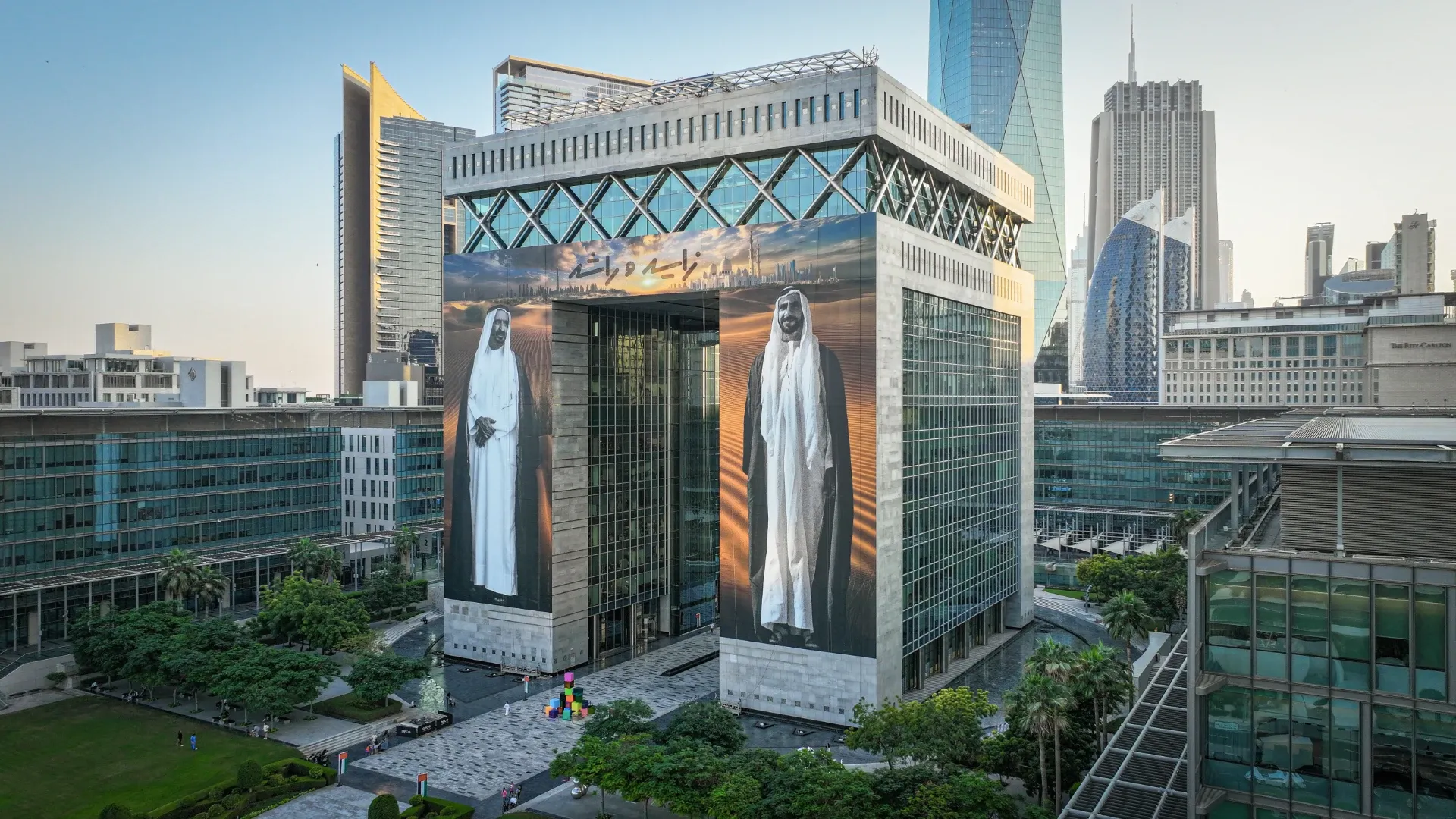
Dubai is not merely a consumer market. With its position connecting Asia, the Middle East and Africa, the city can become a hub for trade, distribution and international customer development for Vietnamese businesses. But the greatest opportunity lies not in establishing a company in Dubai, but in the markets businesses can reach from there.
A Vietnamese business seeking to export to the Middle East often begins by finding an importer in the UAE. But the strategic question is: why sell to just one importer when Dubai can be used to develop a distribution network across multiple markets?
Under the first approach, the business depends on its partner's distribution capabilities. Under the second, the business proactively develops markets, works with multiple distributors and gradually gains control over its own international operations.
For Vietnamese businesses, the opportunity in Dubai lies not in how much they can sell to the UAE, but in how many new markets they can reach from the UAE.
1. An economy built on connectivity
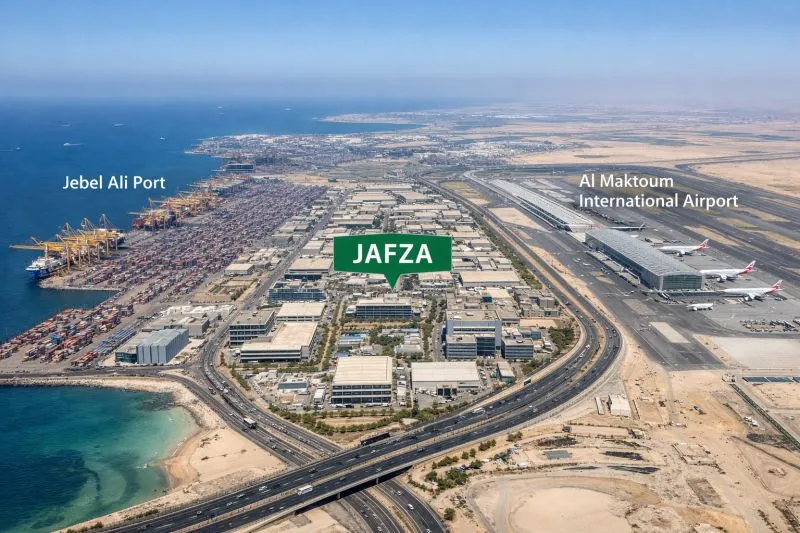
The UAE imports goods not only for domestic consumption but also to move and distribute them throughout the region. Re-exports account for nearly a quarter of the country's non-oil trade, and Dubai is the hub of that system.
| Indicator | Figure |
|---|---|
| UAE non-oil goods trade, 2025 | ≈ 3.800 billion AED (more than 1.000 billion USD) |
| UAE re-exports, 2025 | ≈ 830 billion AED |
| Non-oil trade in the first 6 months of 2026 | 1.937 billion AED (+13,1%) |
| Container throughput at Jebel Ali Port, 2024 | ≈ 15,5 million TEU |
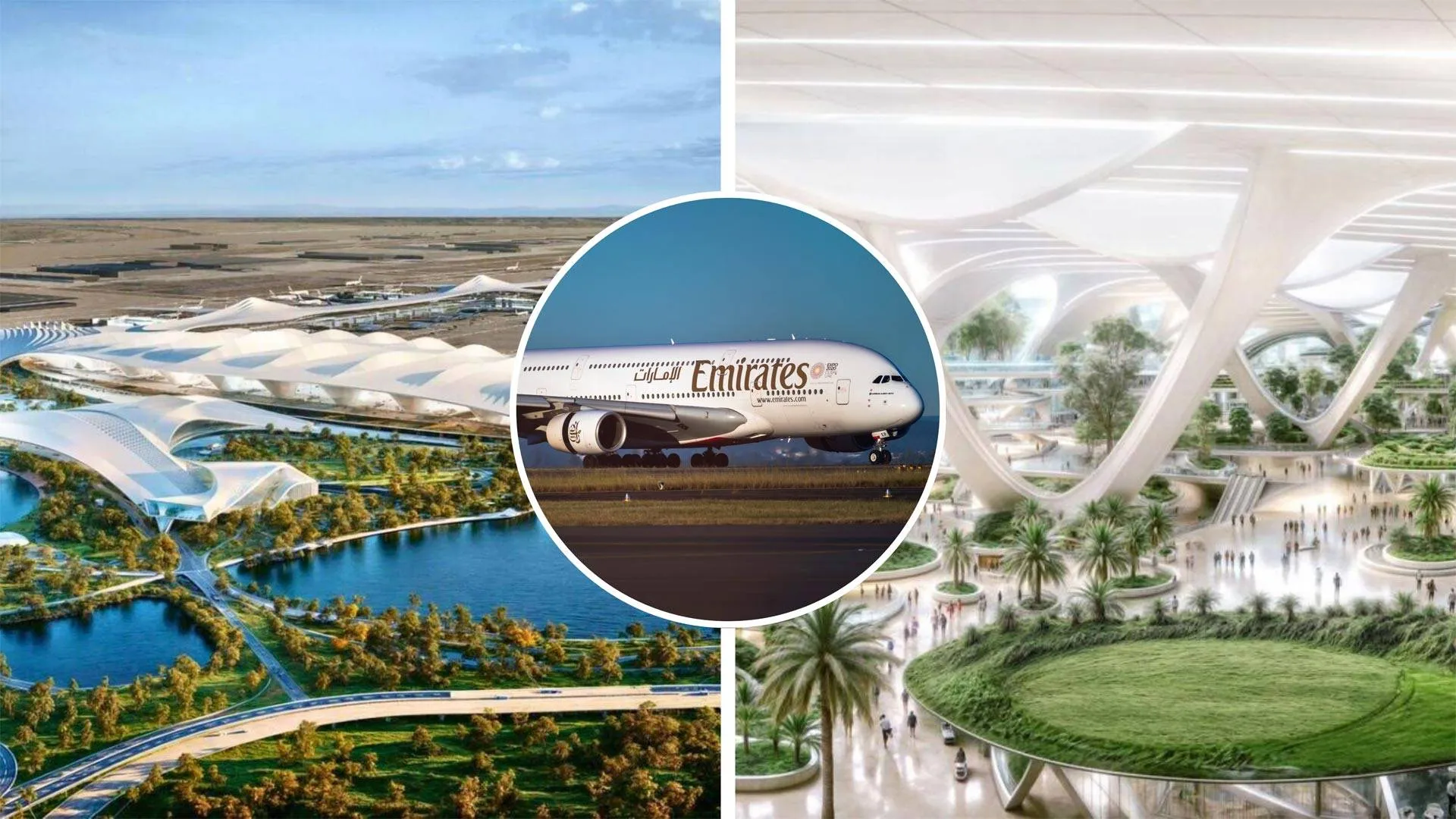
| Passengers through Dubai International Airport, 2025 | 95,2 million |
These figures do not guarantee that a new business will succeed. But they show that Vietnamese businesses can draw on a trade and logistics ecosystem already operating at a very large scale, rather than having to build one from scratch.
2. The Vietnam – UAE agreement marks a notable moment
On 3/2/2026, the Comprehensive Economic Partnership Agreement between Vietnam and the UAE (CEPA) officially entered into force.
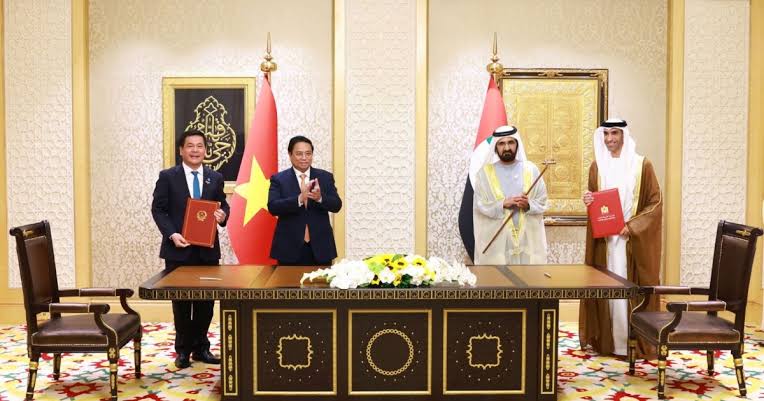
Vietnam is currently the UAE's largest non-oil trading partner in ASEAN. Bilateral trade reached 12,6 billion USD in 2024 and exceeded 16,05 billion USD in 2025, an increase of 27,4%, according to figures released by the UAE government on the day the agreement entered into force.
Under CEPA, goods originating in Vietnam receive tariff reductions or elimination across 95% of tariff lines, equivalent to 99% of the value of Vietnamese goods imported into the UAE, according to the agreement's schedule. The agreement also expands cooperation in logistics, services, digital trade and investment.
But preferential treatment does not automatically apply to every shipment: businesses must still check HS codes, rules of origin and tariff reduction schedules. And Vietnamese goods re-exported from Dubai do not automatically become UAE-origin goods eligible for preferences in third countries.
Dubai's value lies in its ability to connect trade, not in providing an automatic route to avoid import duties in other markets.
3. Vietnamese businesses can use Dubai through three models
Not every business needs a factory, warehouse or large office in the UAE. The three models below are not mandatory stages; businesses can directly choose the model that suits them.
First model: Market development hub
Production remains in Vietnam, while Dubai serves as a place to find customers and distributors. A furniture company can seek partners in the UAE, Saudi Arabia and neighbouring markets through market research, meetings and trial contracts before investing in a distribution system.
Second model: Trade and distribution hub
For businesses with stable export volumes, Dubai can serve as a location for inventory, distribution or re-export to shorten delivery times within the region. This model only makes sense when the benefits in speed and service offset warehousing and operating costs; goods with low turnover and thin profit margins should generally be shipped directly from Vietnam.
Third model: Regional business hub
Once international revenue is sufficiently large, Dubai can serve as a base for a sales team and the coordination of regional operations. At that point, the Dubai company is no longer a legal entity serving transactions, but a revenue-generating unit.
4. Opportunities are not limited to large businesses
The first step is sometimes far simpler than establishing an overseas subsidiary. A packaged food manufacturer can begin by learning about product standards, labelling, certifications, sales channels and acceptable price levels in the UAE, then testing orders. Only once demand is clear does establishing a legal entity in Dubai become a well-founded decision.
Internationalisation does not necessarily begin with a large investment. It can begin by demonstrating that a business's products have customers in another market.
5. Dubai can help businesses reach customers they previously found difficult to meet
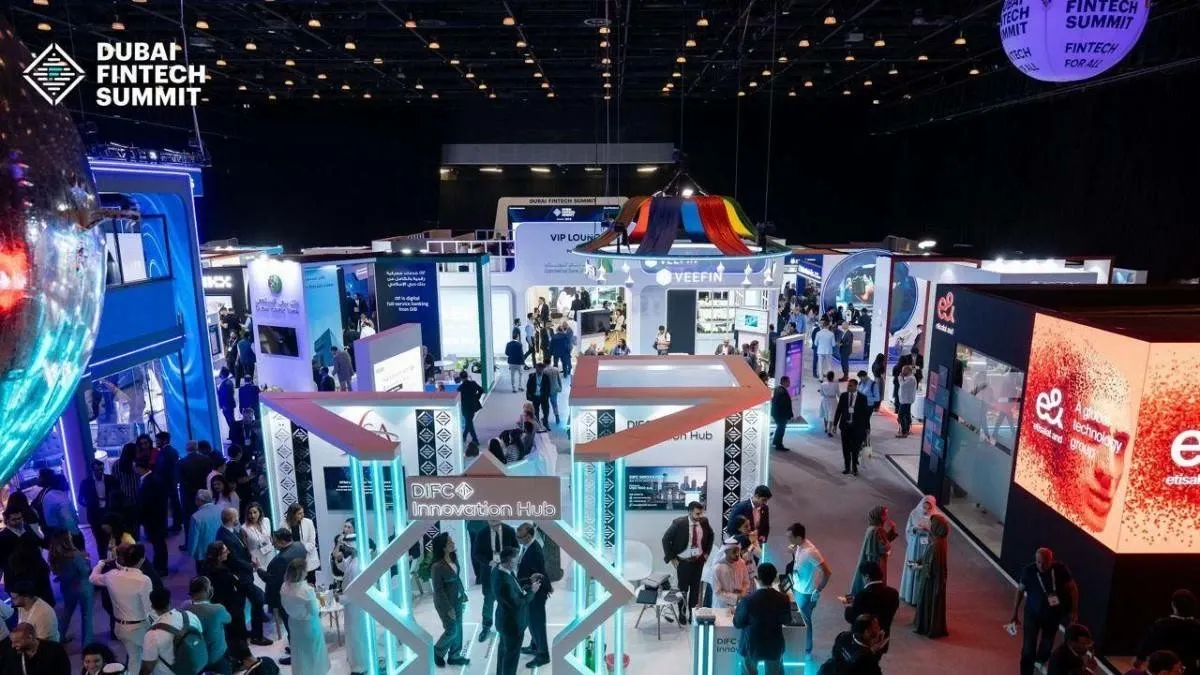
Dubai brings together buyers, distributors and investors from many markets through trade fairs and events throughout the year. Instead of meeting individual partners in separate countries, businesses can consolidate part of their partner search in one place.
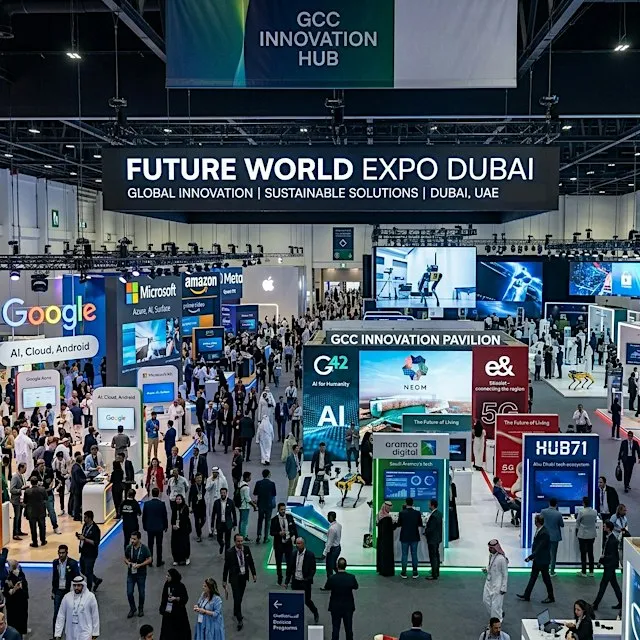
But opportunities do not arise simply from having an office address. Businesses need product profiles, supply capabilities, pricing policies and a team that knows how to develop relationships. With regional distributors, the scope of exclusivity, sales commitments and payment terms need to be reviewed carefully: an unsuitable contract can lock up a market for years without delivering sales.
The value of a presence in Dubai lies not in the number of business cards collected, but in the ability to turn those relationships into sustainable business.
6. The greatest opportunity may lie in changing the position of Vietnamese businesses
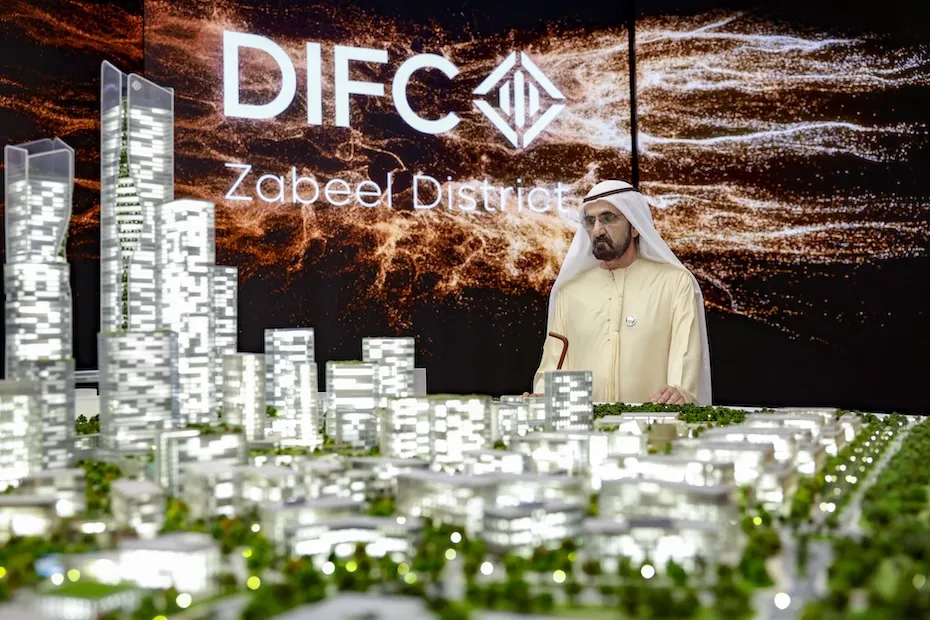
Many Vietnamese businesses already have substantial manufacturing and export capabilities, but most of the value still rests with importers and distributors, who own the relationships with end customers. Understanding who is buying, why they buy and how goods reach them helps businesses make better decisions about pricing, branding and markets.
The biggest step forward in internationalisation is sometimes not selling more goods, but better understanding and controlling the market a business serves.
7. Dubai is not the destination. It can be the starting point.
Vietnam can remain the base for production and core capabilities; Dubai can serve as a base for developing customer relationships and organizing part of the international operations. Not every industry is suited to Dubai; for some businesses, Singapore, Europe or direct exports may make more sense. But for businesses seeking to enter the Middle East, especially now that CEPA has taken effect, Dubai deserves serious consideration.
The question for Vietnamese entrepreneurs is not “Should I set up a company in Dubai?”, but:
“If my business could reach dozens of additional customers and many new markets from Dubai, how would its business model change?”
Because a truly international business is defined not by the number of countries in which it registers companies, but by the number of markets in which it creates lasting value.
EMMAI GLOBAL
International Analysis & Strategy
From Vietnam to Global
This article is for reference only and does not constitute legal advice. Regulations may change.
Business
Setting up a company in Dubai may be easy. Building a truly international business is another matter.
Family
I want to prepare the best for my children. But that does not mean they have to choose it.
Global families
How many countries does a global family need?

Global families
Obtaining a residence card is only the first step: How can you maintain immigration rights for the whole family?