
Not every entrepreneur who wishes to settle in the United States needs to invest through the EB-5 program. For those who own or manage a business in Vietnam, L-1A and EB-1C may offer another path: developing business operations in the United States while building a pathway toward green cards for the entire family.
Not every entrepreneur who wishes to settle in the United States needs to invest through the EB-5 program. For those who own or manage a business in Vietnam, L-1A and EB-1C may offer another path: developing business operations in the United States while building a pathway toward green cards for the entire family.
How do L-1A and EB-1C work?
L-1A is a visa category that allows qualifying businesses to transfer managers or executives from a foreign company to an affiliated company in the United States, including to establish a new office.
EB-1C is an immigrant category for multinational managers and executives. When the legal requirements are met, the U.S. business can sponsor the executive for a green card.
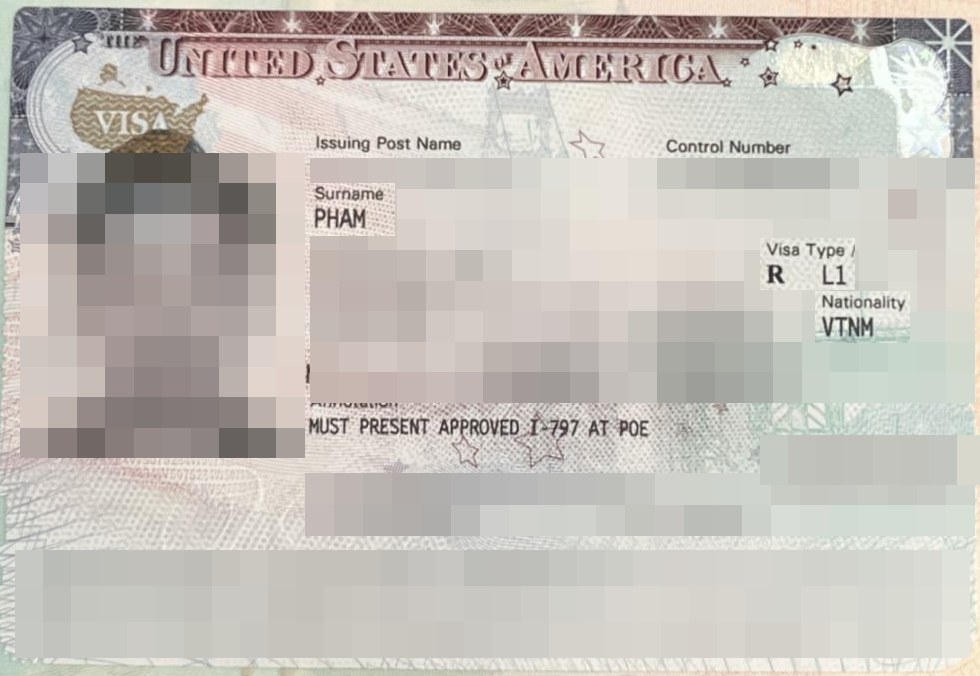
This pathway offers several notable advantages:
— No fixed minimum investment requirement as under EB-5.
— No PERM labor certification requirement for EB-1C.
— Eligible spouses and unmarried children under 21 may accompany the applicant or be included in the immigration application.
— The business has an opportunity to develop its market, customer base, and substantive business operations in the United States.
However, L-1A does not automatically convert to EB-1C. The business and the executive must meet the separate requirements of each category.
The greatest challenge is not forming a U.S. company
Forming a company in the United States is relatively straightforward. Building and maintaining operations that qualify for L-1A/EB-1C is a different matter.
Entrepreneurs typically face three challenges:
1. Operating a business in two countries
The Vietnamese company needs to maintain qualifying operations, while the U.S. company must conduct business, manage its finances, and build its workforce.
2. Demonstrating an executive role
USCIS considers not only the director title but also actual duties, organizational structure, and managerial authority.
3. Preparing for the EB-1C stage
For a newly established U.S. office, L-1A is typically granted initially for a maximum of one year. The U.S. company must have been doing business for at least one year before becoming eligible to file an EB-1C petition and must still meet other requirements.
A plan focused solely on obtaining the initial visa, without a long-term operating strategy, may therefore leave entrepreneurs facing difficulties at later stages.
The EMMAI GLOBAL solution: Support through the first three years of U.S. business operations
EMMAI has developed a comprehensive advisory solution, combining an L-1A/EB-1C strategy with an implementation plan and operational support for the U.S. business during its first three years.
Rather than leaving clients to resolve each issue on their own in a new market, EMMAI works with specialist partners to provide support ranging from business model selection, company structure, and financial planning to recruitment, operational management, accounting, compliance, and immigration application preparation at each stage.
Clients can choose between two investment approaches:
Option 1 — Build your own business in the United States
Suited to entrepreneurs who want to bring existing products, services, or brands from Vietnam to the United States, actively develop the market, and build a team.
Option 2 — Acquire and take over a franchise business
Suited to entrepreneurs who want access to a business model with an established brand, processes, and support system. Acquiring an operating location can help investors assess revenue, staffing, and actual operations before taking over.
However, a franchise does not automatically meet L-1A/EB-1C requirements. The ownership structure, relationship between the two businesses, and executive role must still undergo due diligence.
Indicative implementation budget: 300.000–1.000.000 USD, depending on the industry, scale, and business model.
This is an indicative budget range for business options advised on by EMMAI, not a mandatory investment amount under U.S. immigration law. Specific costs and the scope of services are determined for each case.
A strategy for both the business and the family

What distinguishes L-1A/EB-1C is that entrepreneurs can pursue two goals within a single plan: expanding business operations into the United States and preparing an opportunity for permanent residence for their family.
But success requires more than an immigration application. The business needs a viable model, appropriate resources, and the ability to operate in practice.
With EMMAI GLOBAL, the journey does not end with forming a company or receiving a visa. It is a plan to work alongside entrepreneurs as they build a business foundation in the United States during the first three years, with a view to sustainable growth and long-term choices for the entire family.
EMMAI GLOBAL
International Analysis & Strategy
From Vietnam to Global
This article is for reference only and does not constitute legal advice. Regulations may change.

Family
I want to prepare the best for my children. But that does not mean they have to choose it.

Global families
How many countries does a global family need?

Global families
Obtaining a residence card is only the first step: How can you maintain immigration rights for the whole family?

Global families
How do a family’s taxes change after obtaining a green card or residence abroad?